National Sun Yat-sen University Breaks Through Key Hydrogen Energy Technology - Fuel Cell “Heart” Boosts Power Generation Efficiency by 16%
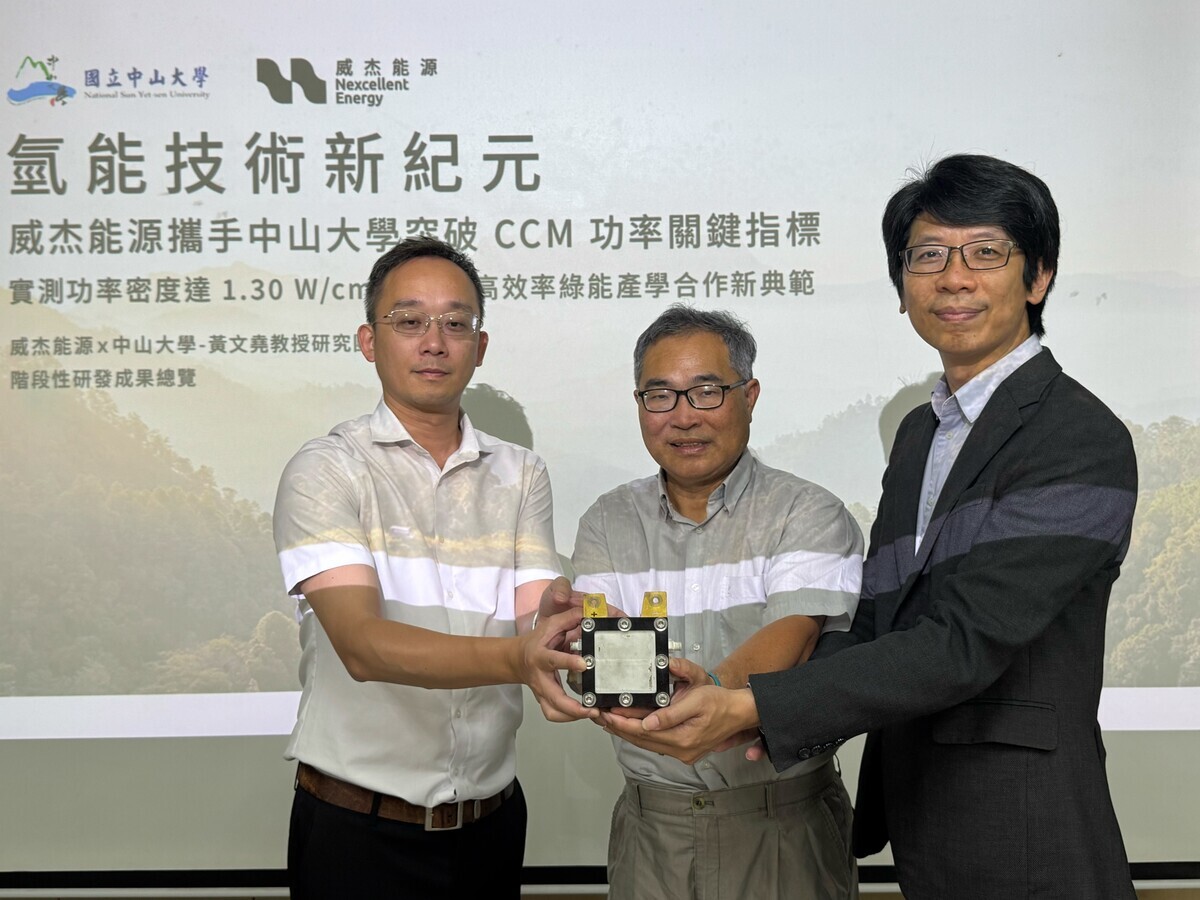
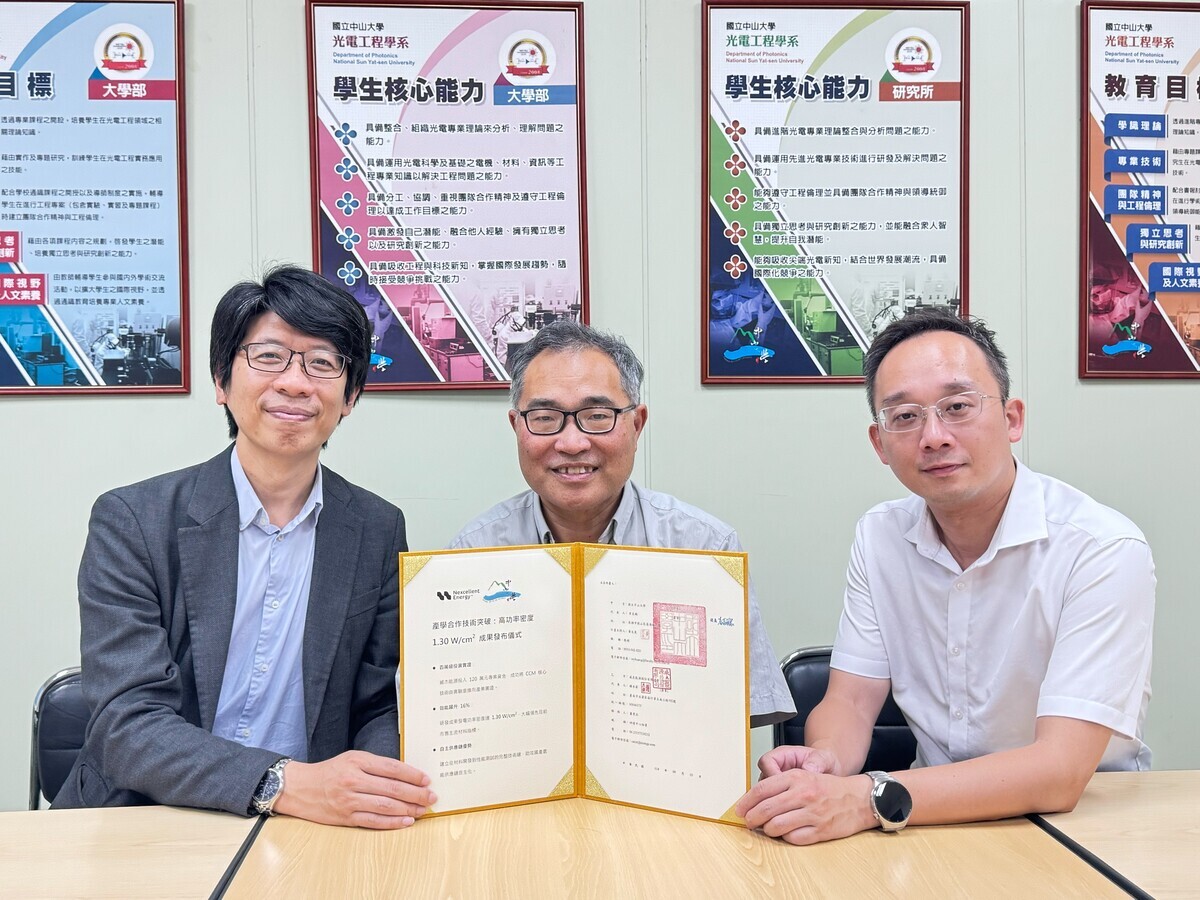
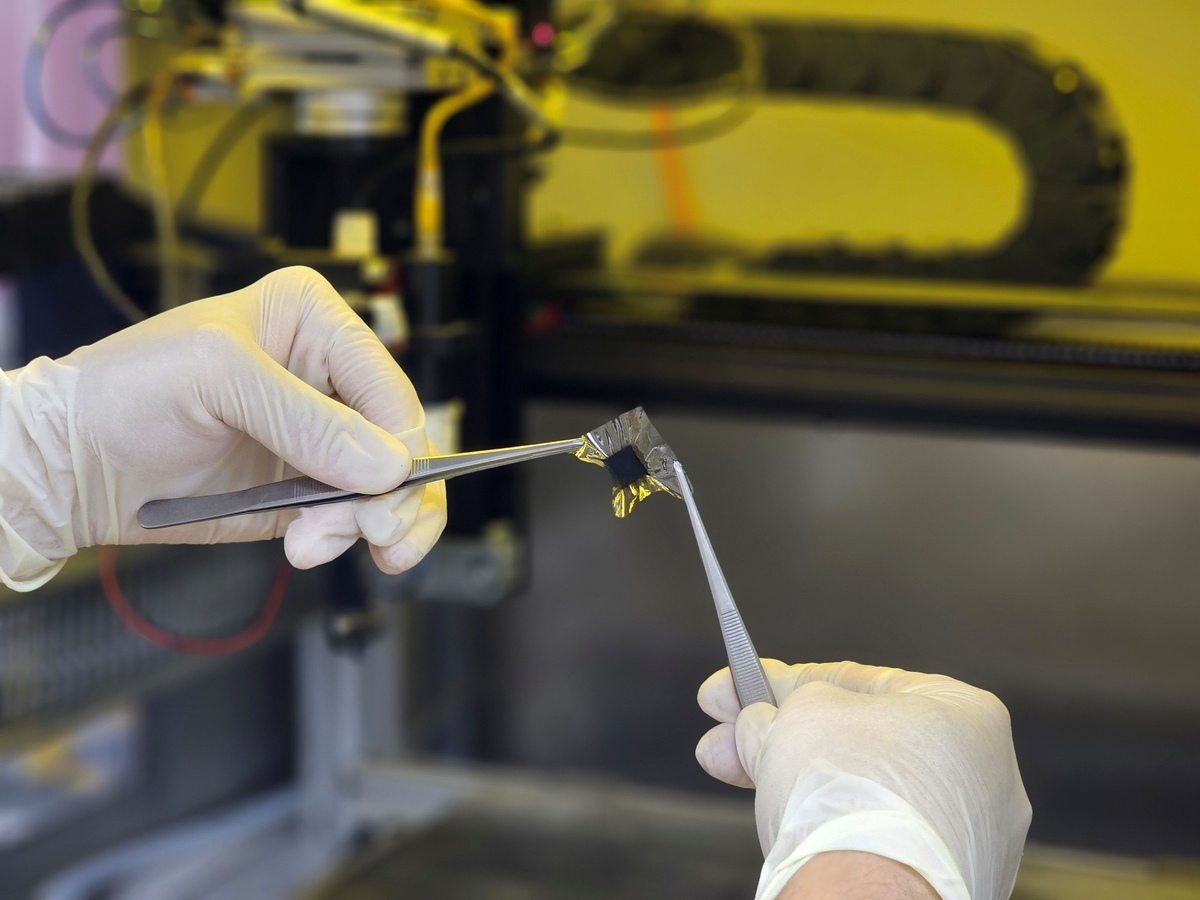
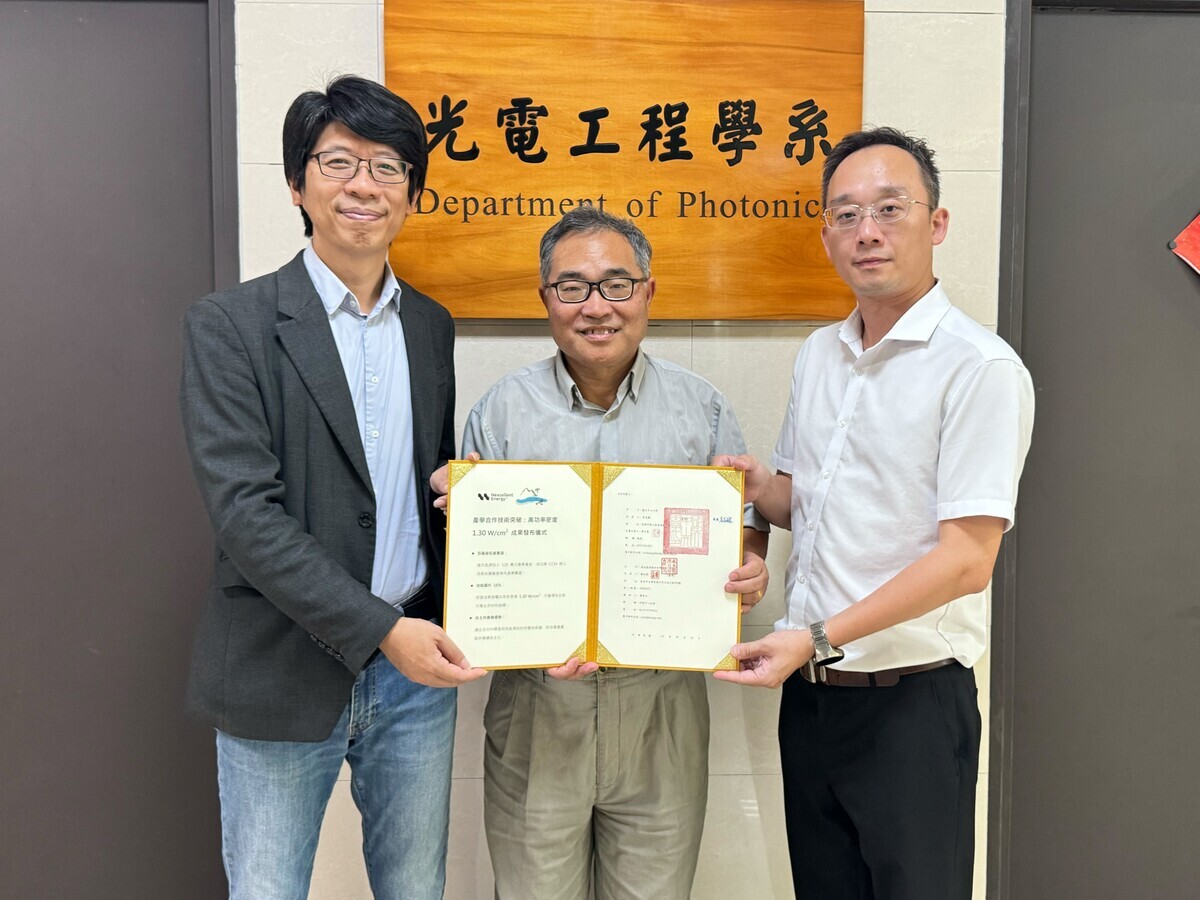
Amid the global push toward carbon reduction and net-zero emissions, hydrogen energy is widely regarded as one of the most important green energy solutions for the future. A research team led by Professor Huang Wen-Yao of the Department of Photonics at National Sun Yat-sen University has successfully developed a new technology for the catalyst-coated membrane (CCM), a core material used in hydrogen fuel cells. The innovation not only increases fuel cell power output by approximately 16%, but also reduces costs and improves durability.
The technology is the result of an industry-academia collaboration between National Sun Yat-sen University and Weijie Energy. The project aims to localize the production of key fuel cell materials that have long depended on foreign imports, helping Taiwan establish its own hydrogen energy technology ecosystem and strengthen international competitiveness.
In recent years, countries around the world have actively sought alternatives to traditional energy sources such as oil and natural gas, with hydrogen fuel cells emerging as one of the leading options. Hydrogen fuel cells generate electricity through a chemical reaction between hydrogen and oxygen. Their greatest advantage is that they produce almost no pollutants during power generation, with water as the only byproduct, making them a form of clean energy.
Professor Huang explained that the newly developed catalyst-coated membrane is the most critical component in a fuel cell, functioning much like the “heart” of the system by enabling hydrogen to be efficiently converted into electrical energy. The research team’s new materials accelerate the chemical reactions between hydrogen and oxygen, improving energy conversion efficiency while also enhancing adhesion and stability, thereby reducing overall power generation costs.
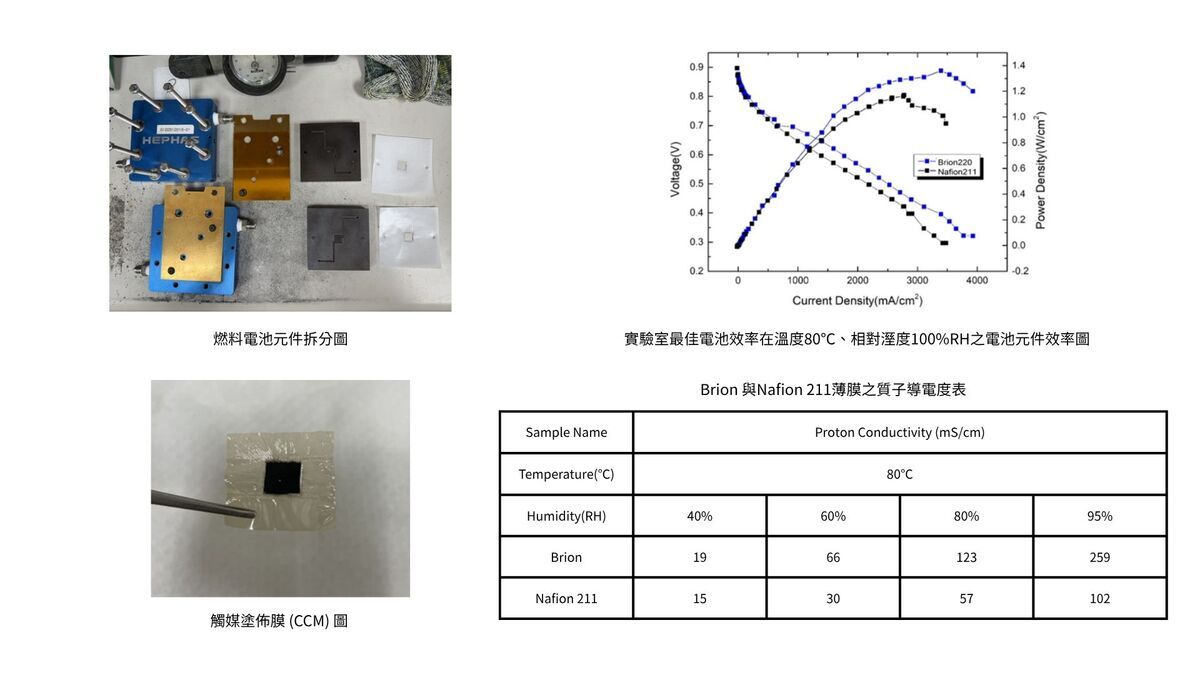
According to the research findings, commercially available DuPont Nafion membrane materials combined with D520 ionomer adhesive currently achieve a power density of approximately 1.12 watts per square centimeter. In comparison, the sulfonated poly(arylene ether) polymer Brion 220 and adhesive Brion P4 developed by Professor Huang’s team reached 1.30 watts per square centimeter, representing an efficiency improvement of approximately 16%. This means that fuel cells of the same size can generate more electricity.
Professor Huang noted that many hydrogen fuel cell materials used in Taiwan still rely heavily on imports, which are not only expensive but may also involve environmentally harmful substances during manufacturing. One of the team’s major breakthroughs is that nearly all key materials—from the upstream proton exchange membrane to the midstream catalyst-coated membrane—were independently synthesized and developed in the laboratory. The resulting materials demonstrate performance comparable to international manufacturers while offering greater cost competitiveness.
In addition to improved efficiency, the new technology maintains stable operation under high-temperature and high-humidity conditions, providing greater durability and extending fuel cell lifespan. The research results have also passed certification through an industry-recognized technology verification platform, demonstrating strong market application potential. The team hopes to further collaborate with industry partners to advance commercialization and mass production.
Regarding future applications, Weijie Energy stated that the technology could first be applied to monitoring drones, backup power systems, and modular energy equipment, helping solve the current challenge of balancing device size and performance. Both parties also expressed hope for expanding future collaboration to establish a complete technology chain covering material development, testing, and verification, thereby promoting the independent development of Taiwan’s hydrogen energy industry.